
One of the best parts of living up here in Rim Country is the wildlife right outside your door. One of the more annoying parts is when that wildlife decides the space above your ceiling would make a cozy place to spend the winter.
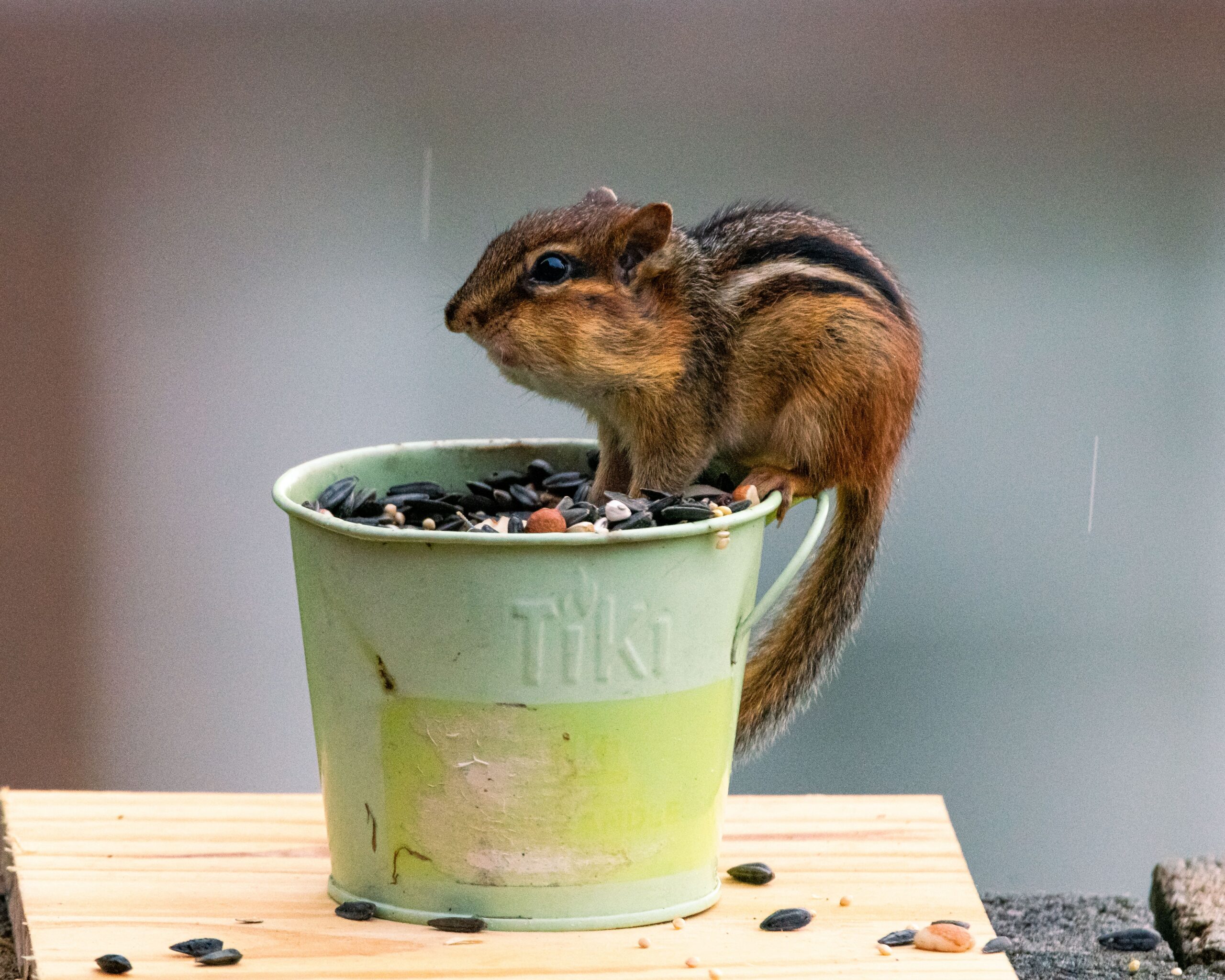
Chipmunks are about as cute as a pest gets. They’re also relentless little hoarders, and they’ll dig and chew their way into places they shouldn’t be. Once summer starts winding down, they get serious about stashing food and finding shelter for the cold months. Sometimes that means your garden. Sometimes it means your crawl space. Ask around Payson or Pine, and you’ll hear the same thing from just about everyone: adorable in the yard, a real headache in the walls.
Here at Friendly, we get more of these calls than you’d think once the nights start cooling off, so let’s talk about what these little guys are up to and how to keep them out without poison.
The Chipmunks You’re Dealing With Up Here
Arizona has several chipmunk species, but up in the Rim Country pines you’re most likely looking at the gray-collared chipmunk, which is native to these mountain forests, or the cliff chipmunk that favors rocky slopes and boulder piles.
You’ll know a chipmunk by the stripes running down its face and back, which set it apart from the plain ground squirrels you also see around here. They’re active in the daytime; they’re quick, and this time of year they’re on a mission, cramming their cheeks and caching seeds for winter.
Why A Chipmunk Picks Your Place

A chipmunk isn’t trying to move in with you on purpose. It’s just following food and shelter, and a lot of Rim Country homes hand it both without meaning to.
The food is usually easy pickings: spilled birdseed, pet food left on the porch, fallen fruit, and a garden full of bulbs and seedlings. The shelter is anything it can burrow under or hide in, like woodpiles stacked against the house, dense ground cover, rock walls, and the gaps beneath a patio or deck. From there, it’s a short trip into a crawl space or attic, especially as the nights get colder.
The Trouble A Little Chipmunk Can Cause
For something that fits in your hand, a chipmunk can leave a surprising mess. Their burrows run under patios, foundations, and retaining walls, and over time all that tunneling can undermine the concrete and stonework. Out in the yard, they’ll dig up bulbs, raid the bird feeder, and thin out a vegetable garden in a hurry.
Get one into the attic or crawl space, and you’re looking at chewed insulation, the odd gnawed wire, and a stash of seeds tucked somewhere you’d rather it wasn’t. Chipmunks can also carry fleas and other hitchhikers, which is one more reason you don’t want them nesting in your living space.
Why We Don’t Reach For Poison
Here’s where a lot of folks expect us to hand them a box of bait. We won’t, and honestly, no one should. According to wildlife damage experts, there’s no rodent poison registered for chipmunks in the first place, so anything sold for the job is a workaround at best.
More to the point, poison isn’t how we work. We don’t use rodenticides, full stop. The stuff is a bad idea around kids, pets, and the hawks and owls that keep the local rodent numbers in check, and it does nothing to fix the gap that let the chipmunk in to begin with. The real answer is to make your place harder to get into, and to remove and relocate the ones already inside.
How To Make Your Place Less Chipmunk-friendly
A few weekend chores go a long way here. Wildlife researchers agree that sealing chipmunks out beats chasing them around, so that’s where to start:
- Lock down the food by storing birdseed and pet food in sealed containers and cleaning up fallen fruit and spilled seed.
- Clear the cover by moving woodpiles, brush, and debris away from the house and trimming back the dense ground cover along your foundation.
- Screen the gaps with quarter-inch hardware cloth over vents, weep holes, and the openings under decks and patios.
- Protect the garden by laying hardware cloth under and around your beds so chipmunks can’t dig up the bulbs and seedlings.
- Break the bridge by keeping shrubs and branches from forming a continuous path between the tree line and your walls.
When to Call A Friendly Technician
If the chipmunks are already under the porch or rattling around the attic, that’s where we come in. Our rodent exclusion program is the part of the job we’re proudest of, and it’s built for exactly this. We inspect the property to find where they’re getting in, seal those entry points, and trap and relocate the ones already inside, all without a single rodenticide.
You get a written plan, a flat price, and free retreats between scheduled visits if anything turns up again. If you’re not home when we finish, your technician will text you a video that walks through what we did. We’re locally owned, we live in these towns, and we handle chipmunks and the rest of Rim Country’s critters year-round, licensed by the Arizona Department of Agriculture.
An old bit of wisdom fits the chipmunk perfectly: an ounce of prevention is worth a pound of cure. Seal things up before the cold really sets in, and you’ll spend a lot less time evicting tenants you never invited.
If the striped little hoarders have already made themselves at home, reach out today. Call or text us at 928-363-4232 for a free quote, and we’ll help you get your yard and your attic back. And if it’s some other critter giving you grief, ask anyway. We handle plenty that didn’t make it into this post.